Table of Contents
Innovative Design and Powerful Performance
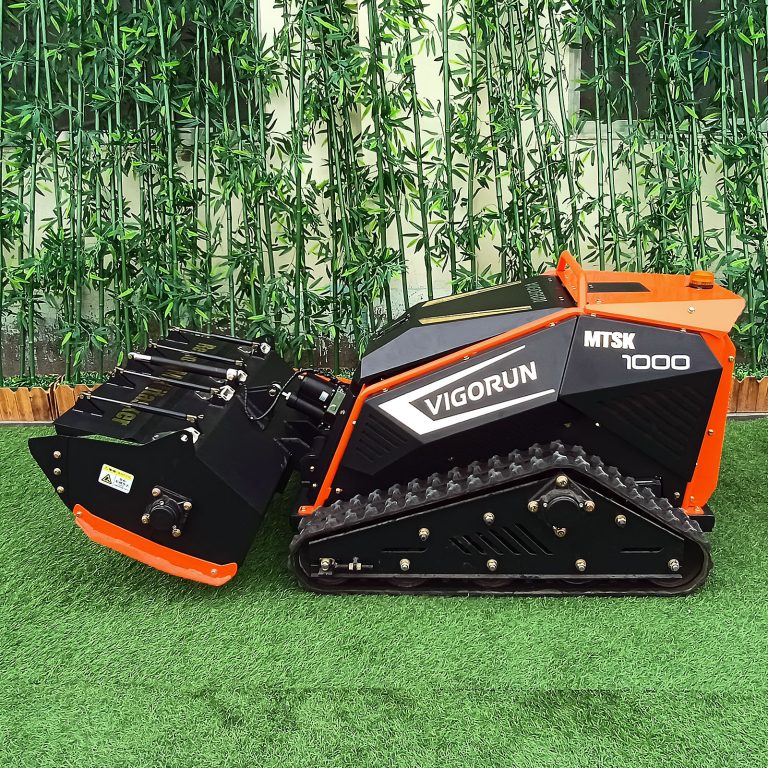
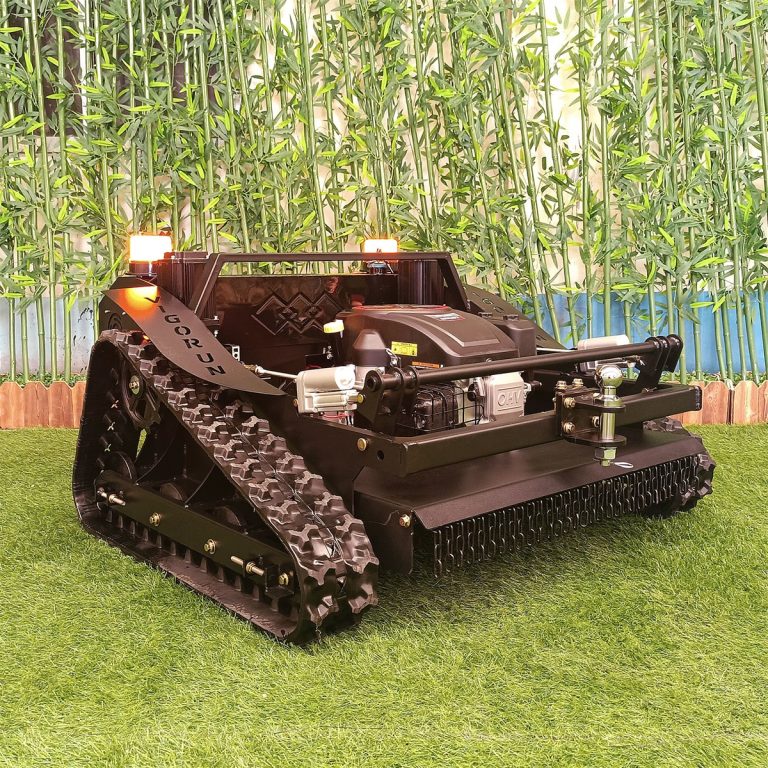
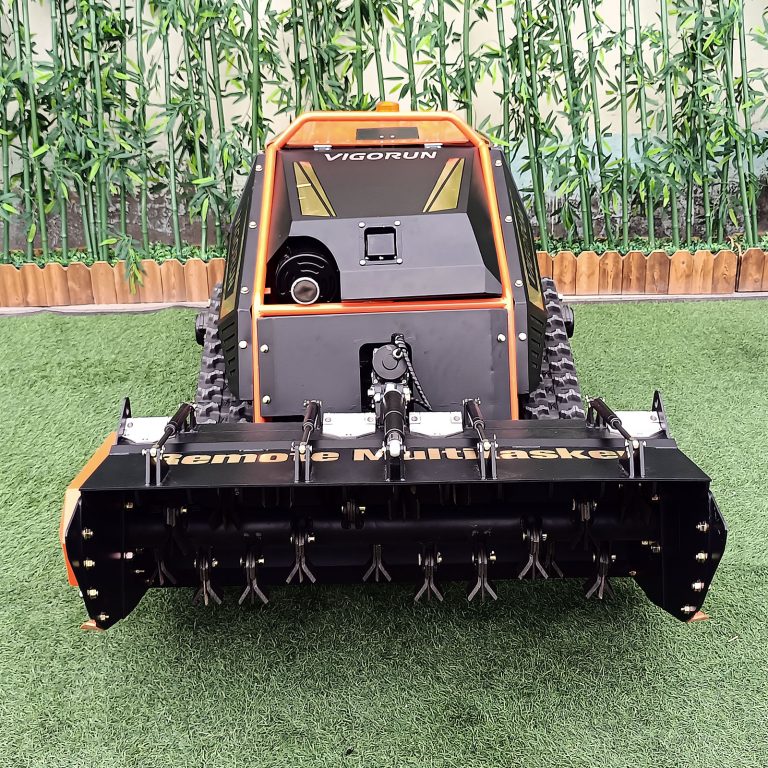
The dual-cylinder four-stroke self-charging battery powered versatile remote slasher mower is a remarkable piece of machinery designed to meet diverse landscaping needs. At its heart lies a V-type twin-cylinder gasoline engine, specifically the Loncin model LC2V80FD. With a rated power of 18 kW at 3600 rpm, this engine delivers exceptional performance, making it an ideal choice for both residential and commercial applications.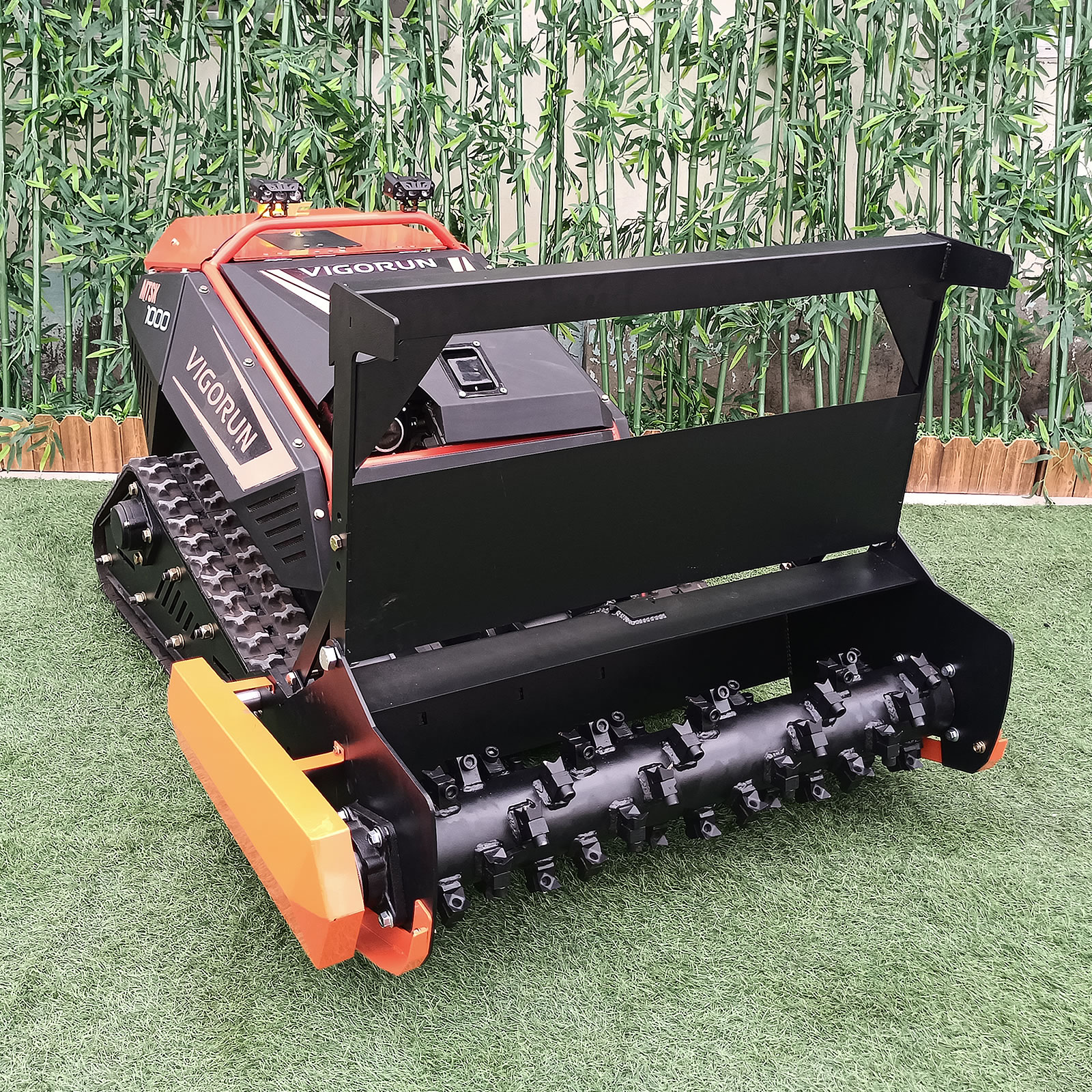
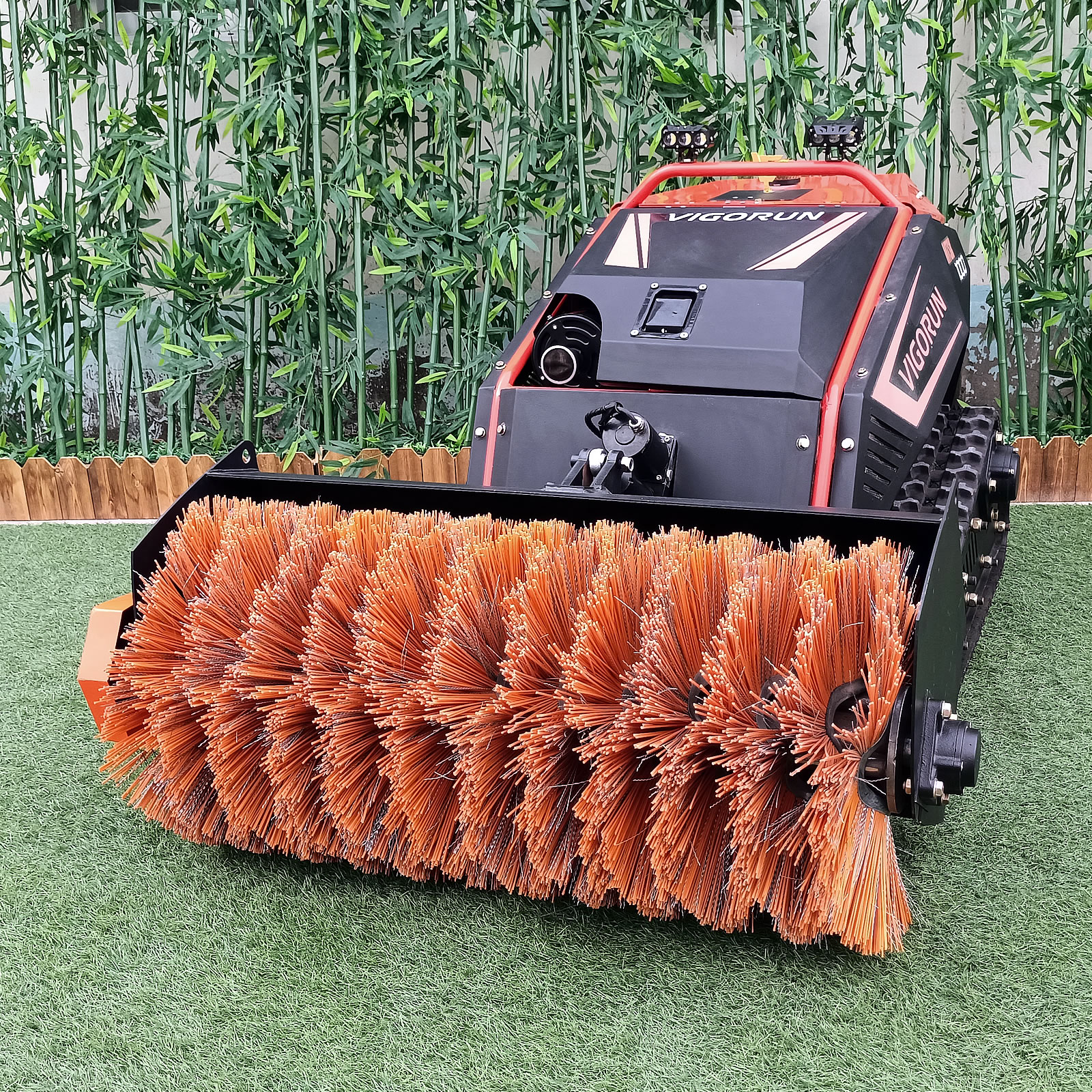 This powerful 764cc gasoline engine not only provides robust output but also features a clutch that engages only when reaching a predetermined rotation speed. Such engineering ensures efficient power delivery while maintaining fuel economy, allowing users to tackle various mowing tasks without unnecessary interruptions.
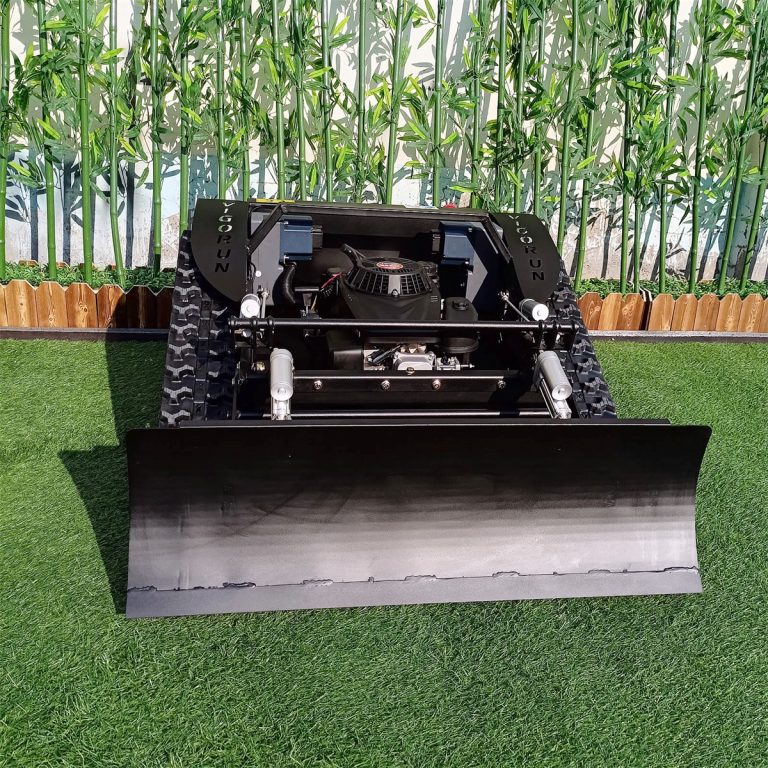
Equipped with two 48V 1500W servo motors, this mower excels in climbing steep terrains with ease. The built-in self-locking function guarantees that the machine will only move when both power is engaged and throttle is applied. This safety feature effectively prevents unintended sliding, enhancing operational security and providing peace of mind during use.
This powerful 764cc gasoline engine not only provides robust output but also features a clutch that engages only when reaching a predetermined rotation speed. Such engineering ensures efficient power delivery while maintaining fuel economy, allowing users to tackle various mowing tasks without unnecessary interruptions.
Equipped with two 48V 1500W servo motors, this mower excels in climbing steep terrains with ease. The built-in self-locking function guarantees that the machine will only move when both power is engaged and throttle is applied. This safety feature effectively prevents unintended sliding, enhancing operational security and providing peace of mind during use.
Versatility and User-Friendly Operation
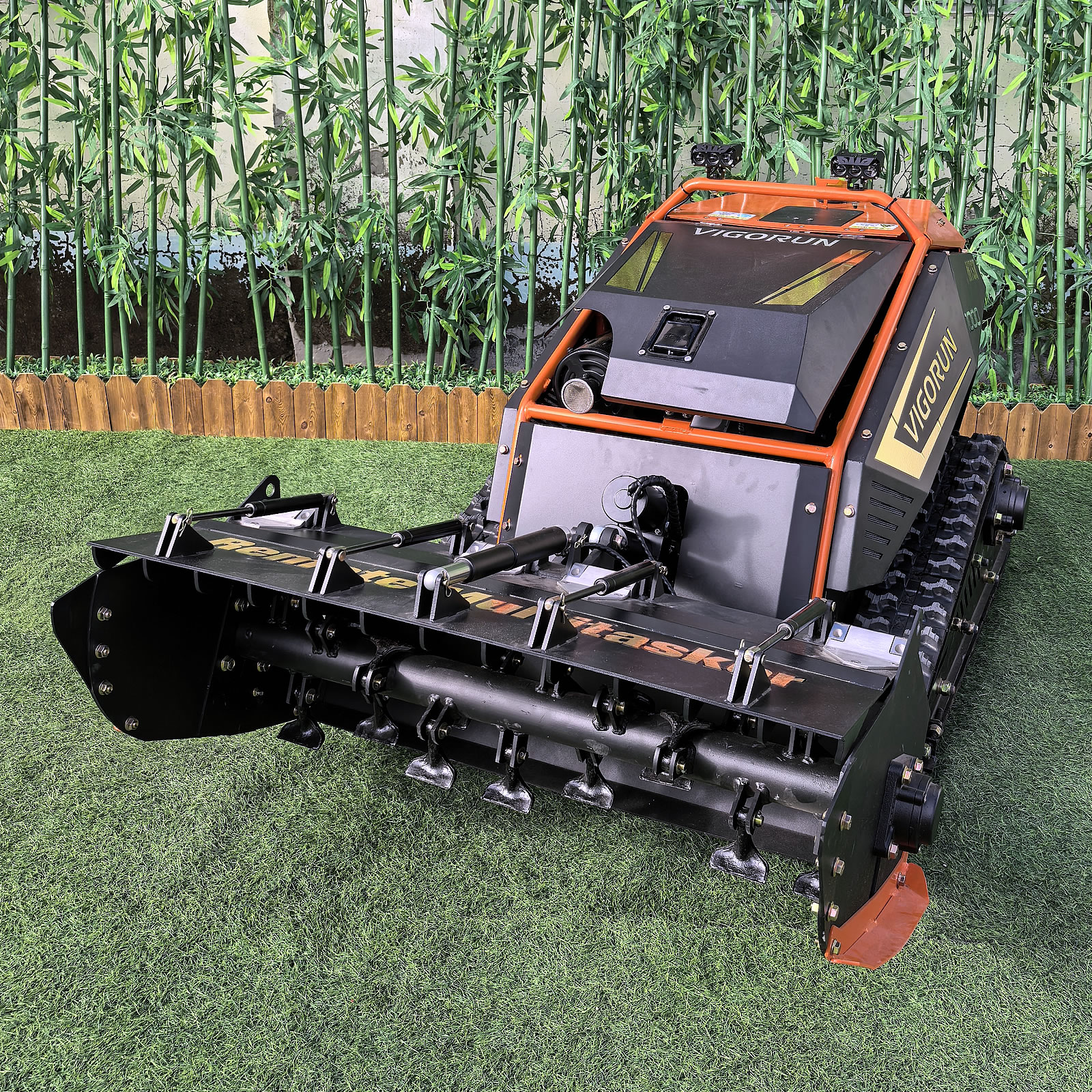
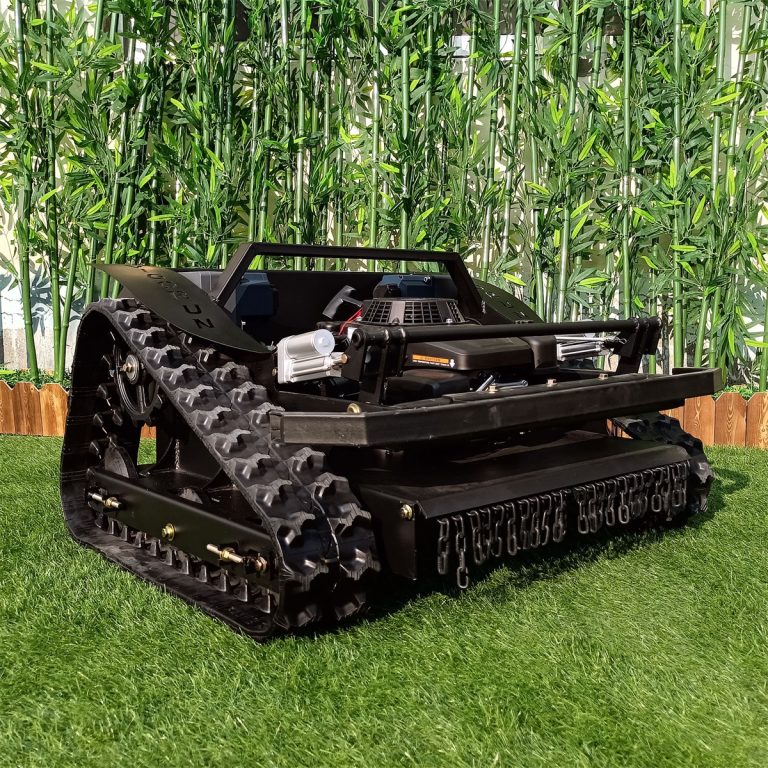
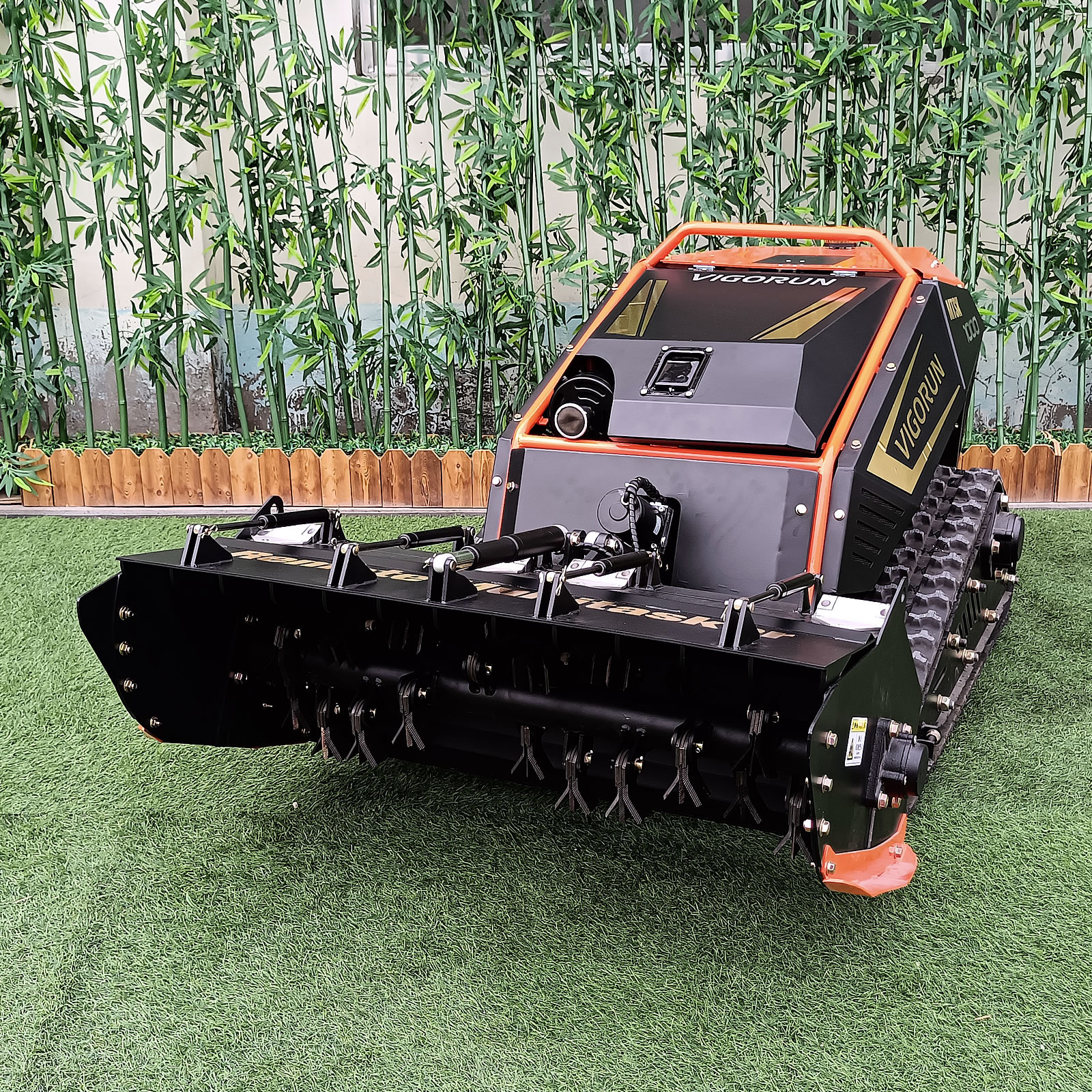 The intelligent design of the dual-cylinder four-stroke self-charging battery powered versatile remote slasher mower enables effortless operation across different landscapes. With a high reduction ratio worm gear reducer, the machine multiplies the already impressive torque from the servo motors, ensuring immense output for climbing resistance. In the event of a power loss, the friction between the worm and gear provides mechanical self-locking, preventing any downhill sliding.
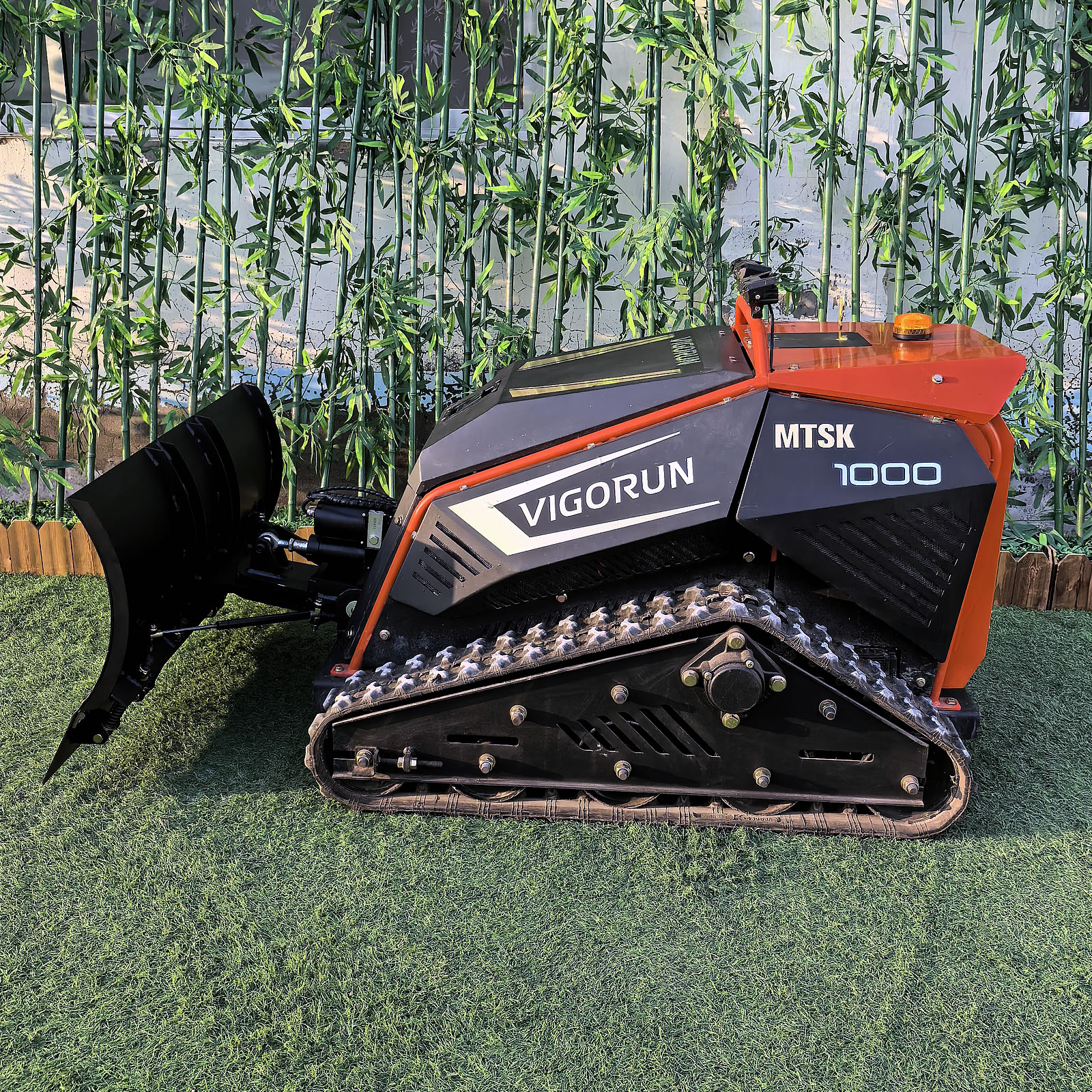 This mower stands out not only for its performance but also for its user-friendly capabilities. The intelligent servo controller precisely regulates motor speed and synchronizes the left and right tracks, allowing the mower to travel in a straight line without requiring constant adjustments. This greatly reduces the operator’s workload and minimizes risks associated with over-corrections on steep slopes.